









Fitness floor & studios
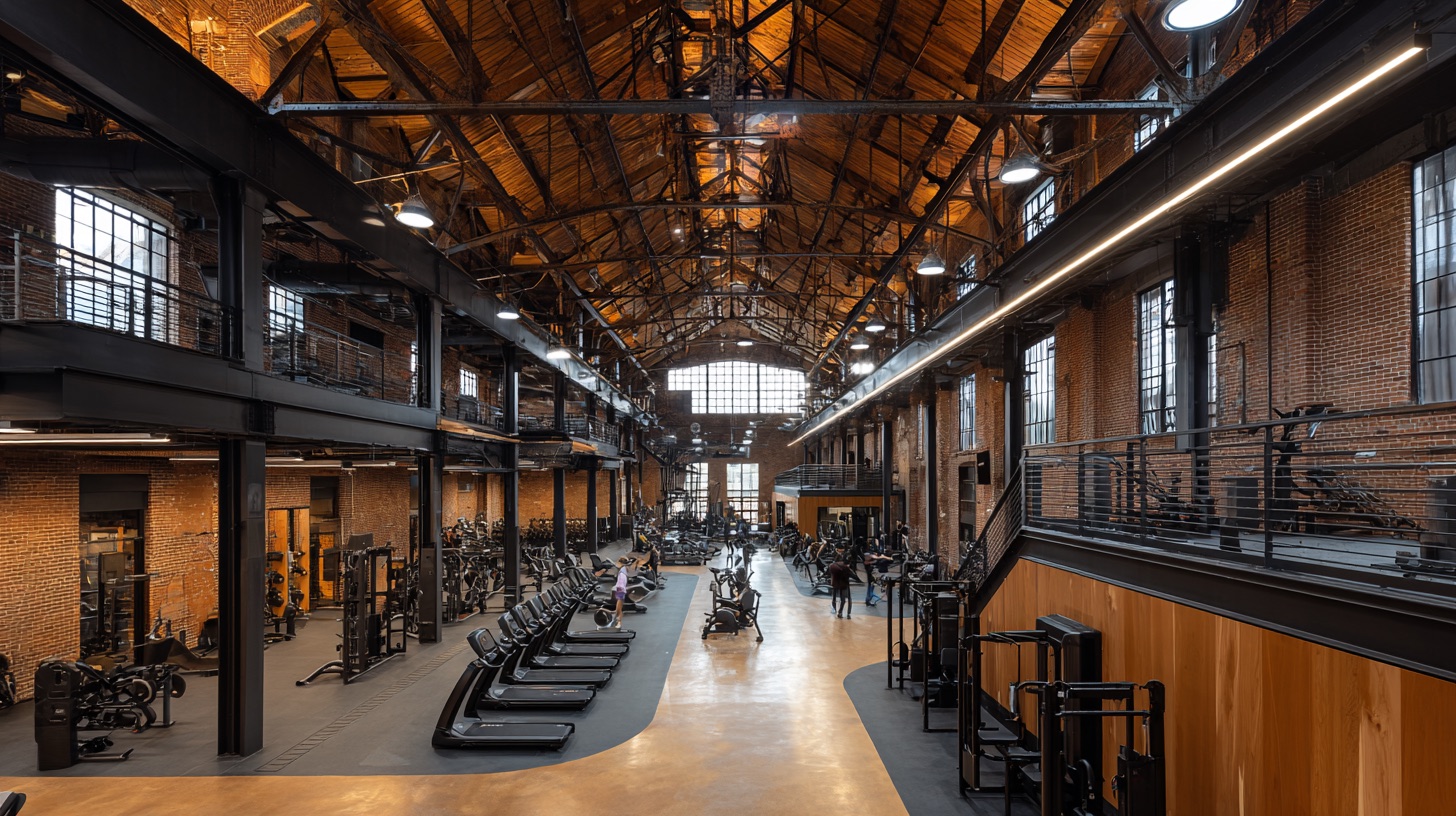
Open floor plans that encourage interaction, with trainers working alongside members — not in a separate section.
Move together
Not for everyone
Brick × Brick builds affordable community fitness centers where men come for the workout and stay for the people — built for how young men actually want to move and connect.
01The scale of the need
A generation of men is physically inactive, mentally struggling, and profoundly alone. The Surgeon General has declared loneliness a national crisis — and the gym is one of the last places that can fix it.
These are not separate problems. Brick × Brick is a single answer to all three — the physical infrastructure the wellness generation has been trying to buy digitally.
02The problem
At $10–$50 a month, national chains are priced for signup, not service. The average member pays for twelve months and attends for two — every absent member is pure margin. The model performs better when you stay home.
Ordinary gyms aren't built to fix social isolation. BXB is — and it makes money doing it.
03In their own words
We sat down with roughly 70 working-class men in Flint, Yakima, Shreveport, and Jackson — ninety minutes each. This is what they told us.
I'd rather go to the gym than to a therapy session — I can just talk it out with the weights.”
— Angel · Yakima, WA
“Basketball is like therapy, honestly… being in the gym.”
Jacquavious · Shreveport
“Get your mind off certain stuff… I go to the gym. Clear. Peaceful.”
Johnnie · Yakima
“Doing something that makes me better than I was yesterday — that's attractive.”
Parker · Flint
04The competitive landscape
Planet Fitness and its peers: $10–$50 a month for equipment without community. Fluorescent, unstaffed, built for solo visits.
Equinox and Lifetime serve affluent cities at $150–$250 a month — and won't touch tier-3 markets.
The closest historical analog — now aging, institutional, and underfunded.
$45–$95 a month. Leagues, cohorts, and combat sports. A social worker and trained staff. Converted buildings with character — in the cities everyone else skips.
Community, mental health, design, price, and place. Only BXB does all of it — under one roof.
05The BXB model
Each location is a 35,000-square-foot community fitness center inside a converted school or community building. Fitness brings men in. Community keeps them coming back. Support keeps them for years — all three under one roof.
06What's inside
Fitness and connection, by design — the reason they walk in. Each space is built to deliver real results, and to make it easy for members to actually know each other.
Tap a card to step inside ↻
Open floor plans that encourage interaction, with trainers working alongside members — not in a separate section.
A full basketball court and outdoor field for pickup games, leagues, and father–child programs.
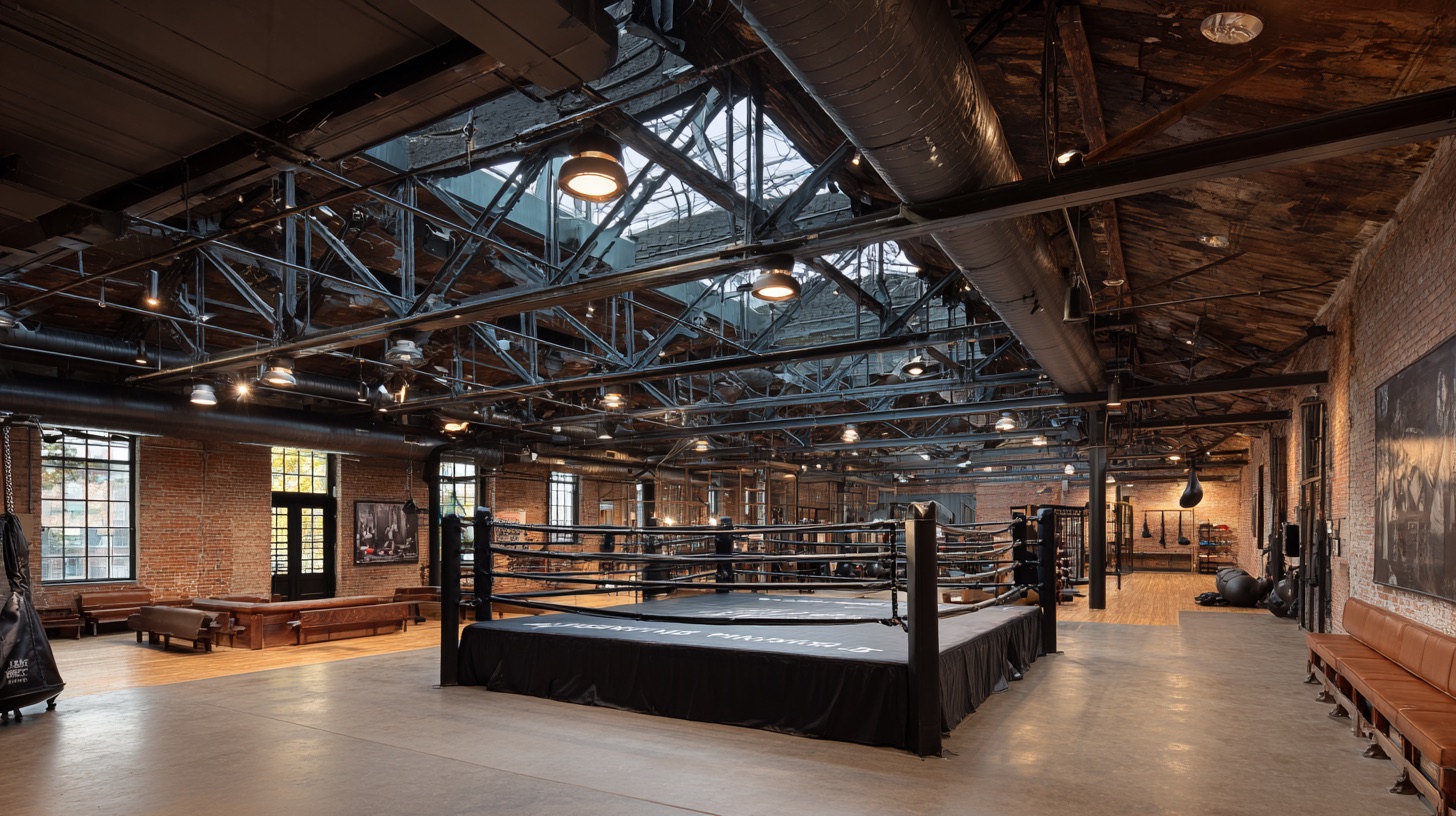
Boxing, MMA, and martial arts, where physical trust between partners becomes the foundation for friendship.
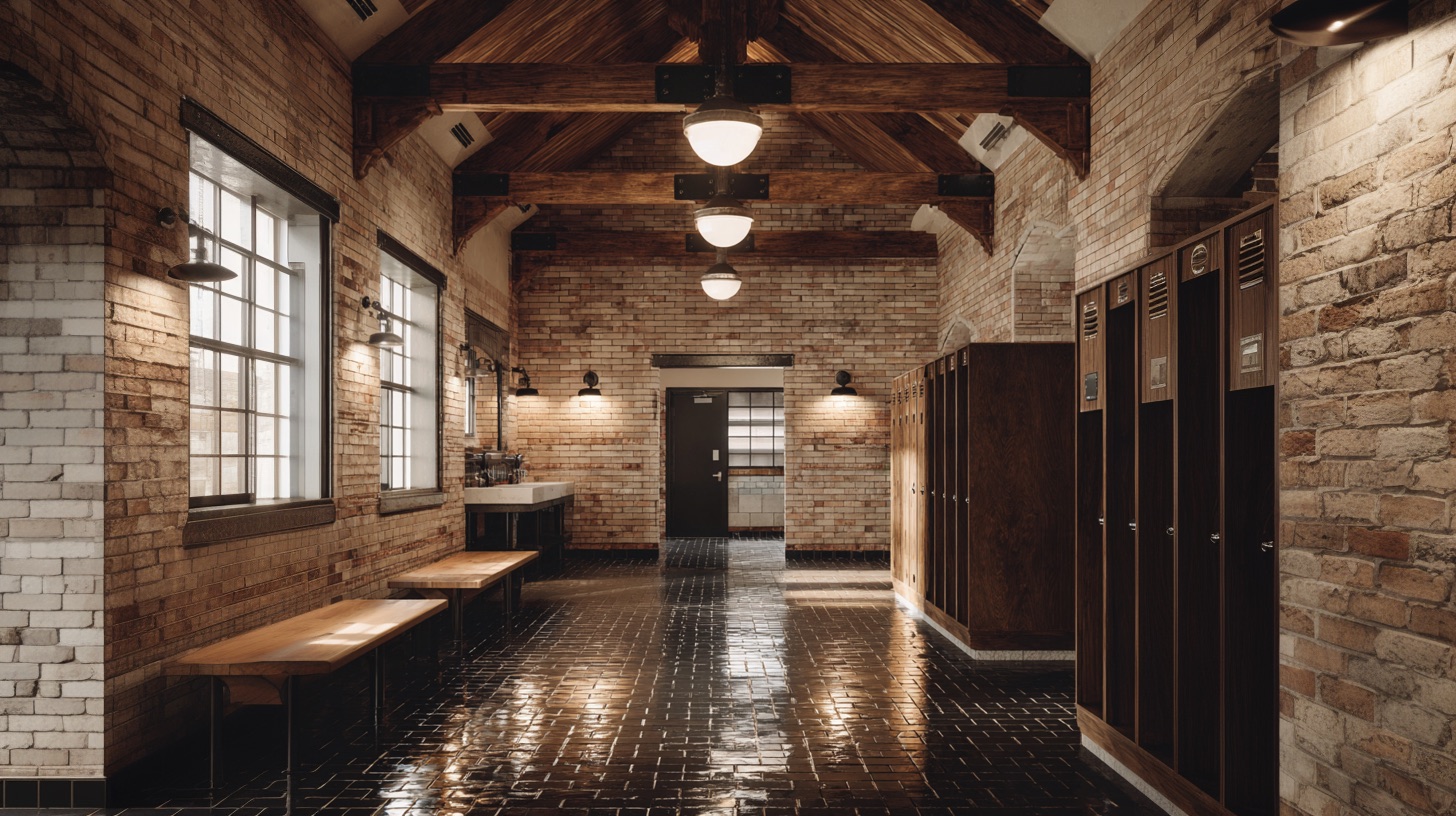
Steam room and shared recovery spaces where real conversation happens naturally.
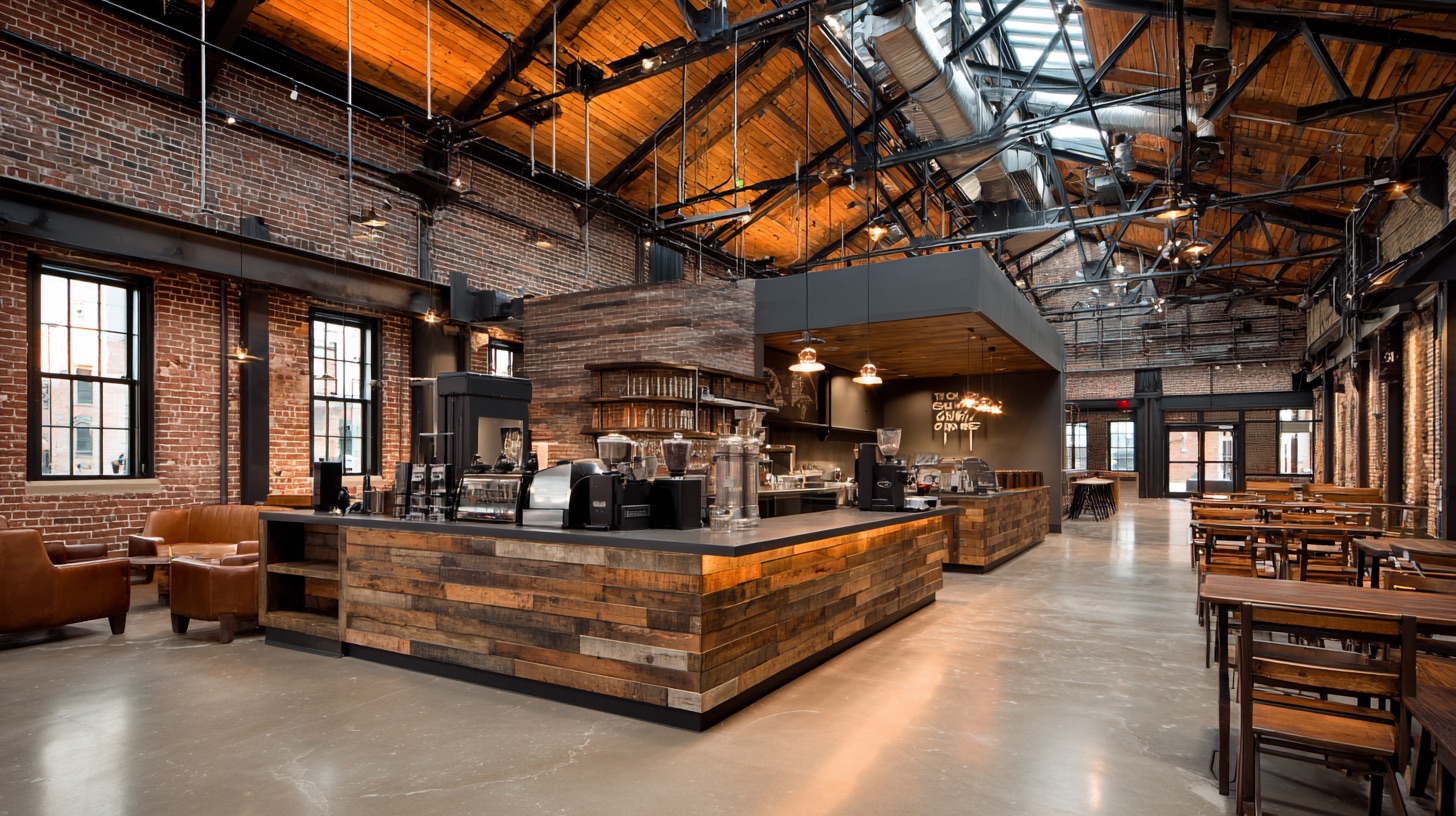
Post-workout gathering, nutrition as a conversation starter, and a venue for events.
A platform for members to share their stories — and for the community to tell its own.
Barriers removed by design, so that showing up is as easy as possible.
07Step inside
08Community structure
The reason they keep coming back. Every program is judged on two questions: does it deliver genuine fitness value, and does it create opportunities for members to know each other?
Boxing, Muay Thai, Brazilian jiu-jitsu, and MMA — among the most effective vehicles for male bonding. All levels, beginner to competitor.
Basketball, flag football, volleyball, and softball by skill level — structure, shared goals, and built-in reasons to see each other.
Members commit to a daily workout time with the same cohort. Over weeks, these become accountability groups — and friend groups.
One-on-one and small-group, on the floor alongside others — reinforcing community instead of isolating the relationship.
Built for parents to train with their kids — healthy habits across generations, stronger family bonds.
09Personal support
The reason they stay for years.
Every trainer and coach is trained in active listening, de-escalation, mental health, and referral pathways. A trainer who sees you five hours a week is often the first to notice when something's off — and equipped to act.
A licensed social worker embedded in the facility — on the floor, at the café, at events. The referral point for mental-health support, substance-use programs, housing, and job placement.
Every member, every tier, gets a navigator who helps build a routine, plan nutrition, and connect to programs like SNAP, Medicaid, and WIC they may qualify for but don't know about.
10The whole point
Strength isn't built alone. Every round, every pickup game, every spot on the bench is another reason to show up — and someone to show up for.
11The flywheel
We're not asking you to choose between impact and sustainability. Designed right, they're inseparable.
12Where we're starting
Chosen from a field of 34 cities for their need for third places, working-class populations, strong community identity, and available buildings. One $5M playbook, run three times — Flint first, then Shreveport, then Yakima.
~100,000 residents · $5M · Opens spring/summer 2028
A city of ~100,000 in the middle of an urban revitalization, with strong community bonds and an underserved fitness market — the exact conditions BXB is built for. Every system launches here first.
The proof case.~185,000 residents · $5M
Southern civic culture and genuine community pride — a fitness market dominated by budget chains, with no community option.
~95,000 residents · $5M
An agricultural working-class community where young men have few third places beyond the bar, the church, and the gym.
Buildings are donated or secured below market — capital goes into the space, the staff, and the programming, not the real estate.
13The numbers
Memberships run $45–$95 a month — priced for working men, with revenue diversified across dues, training, youth programs, corporate wellness, leagues, café, and facility rentals.
Our models put all three centers closer to $15M. We raise to $20M so each one opens with real operating runway — contingency we'd rather have and not need.
14The vision
Flint first, then Shreveport, then Yakima. Break even at 69% of capacity in three different regional contexts.
Expand to 15–20 locations across the Midwest, South, and Pacific Northwest. Refine the playbook.
10–15 new locations a year. 100+ locations, $300M+ revenue. Explore franchising.
The ceiling is not demand — it's operational capacity. And the measure of success isn't financial: it's whether the men who walk through the door leave with something they didn't have when they arrived.
15The team
CEO
Founder, Man Made. Founder, White Dudes for Harris — 200K+ participants, $4.5M raised. Co-founder, Run for Something (~1,500 elected). TIME Next 100, 2022.
Interim CFO
25 years in private equity and principal investing. Founder or partner of four investment firms — 50+ companies, ~$2.5B committed. Structured the PE deals behind Equinox and LA Fitness.
Advisor · Real Estate
COO, PACE Loan Group — national commercial real estate lender. Former CEO, Lean & Green Michigan. Former Executive Director, Wayne County Land Bank.
Advisor · Strategy & Tech
Founding MD, Democracy Well. Stanford Digital Civil Society Fellow. CEO, Be Bold Media. Ebony Power 100.
Design Lead
Founder, Puddle Studio. Former design lead, IRC Airbel Impact Lab. Work scaled across four continents. Columbia + Parsons MFA.
To launch the Flint location and begin the process for Shreveport and Yakima — the first tranche of a $15–$20M raise, sized to carry every center past break-even rather than just to open its doors. Invest, partner, or bring BXB to your city — let's talk.
A reason to come back tomorrow,
and someone to come back to.